

return rules
Return rules are automated settings that streamline returns for both you and your customers. They help enforce policies, ensure compliance, and adapt the process. This section brings all rules together with setup guidance, best practices, and legal considerations like customs and country-specific laws.
Let’s have a look.
Rule configuration & benefits in e-commerce
You have full flexibility to configure return rules in Droppa’s admin or directly in your e-commerce platform. We’ll go through each rule individually to show how they work and the value they bring.
Return reasons
Return reasons let customers explain why they’re returning a product. They appear in the return portal and are fully customizable per product. Typically shown in 5–7 options across a main reason and sub-reason, they provide clearer feedback and better product insights.
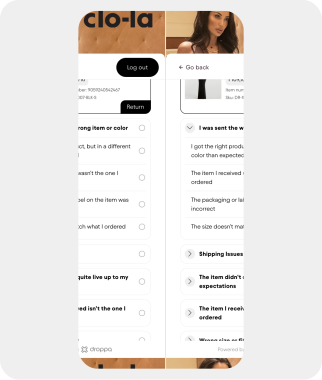
Configuration:
Return reasons are configured in the admin page. Navigate to "Configuration" in the menu, click the pen icon, and edit the reasons to match your preferences.
Benefits:
To reduce returns, you first need to understand why they happen. Clear expactations and better purchase guidance make a big difference. In fashion e-commerce, size and fit are everything and around 70% of returns happen because the item didn't fit as expected. That's a strong case for getting sizing right.
By analyzing return data and customer feedback, you can:


Boost customer confidence before checkout.

Lower return rates over time.
Shipping options
Droppa integrates with multiple shipping providers, giving you flexibility in return shipping methods. Offer options that balance cost, convenience, and speed based on your business priorities.
Configuration:
Shipping options are configured together with our team during the onboarding process. We'll help you set up the carriers and methods that best fit your business needs.

Note: Currently, shipping settings are configured by Droppa's team. Self-service configuration is coming soon.
Benefits:
Offering multiple shipping options makes the return process easier and more aligned with customer needs:

Faster shipping for quick refunds or exchanges.


By providing choice, you improve customer satisfaction while maintaining control over costs and environmental impact.
Create customer segments to tailor the return experience based on purchase behavior and history. Reward loyal customers with perks like free returns or extended windows, or manage high return rates. Segmentation aligns your return policy with your business strategy.
Configuration:
Customer segment rules are configured together with Droppa's team to match your business needs. Reach out, and we'll implement the right criteria for you.
Note: Currently, customer segmentation is configured by Droppa's team. Self-service configuration is in development.
Benefits:
Customer segmentation helps you focus resources where thay create the most value. By prioritizing loyal and profitable customers, you can increase revenue and satisfaction while reducing effort on low-value segments.

Better use of resources.

Higher revenue potential.

Improved customer satisfaction.
Product category rules
Control which product categories are eligible for returns based on business needs and legal requirements. Some items, like food, prescription medication, or hygiene products, may be excluded due to safety regulations or company policy.
Configuration:
Product category rules are configured together with Droppa's team. We'll work with you to set up the appropriate restrictions based on your product range and regulatory requirements.
Benefits:
Product category rules automatically prevent invalid returns, before they start. They ensure sensitive products follow legal requirements and give customers instant and clear explanations.

Fewer support tickets.

Fewer support tickets.

A smoother return experience for everyone.
Customer segment rules
Practical rules of note
Return fees is the money the customer has to pay in order to make a return, typically shipping fees but they can be handling fees and others. These, like return windows, have different laws around them depending on the country.
Configuration:
The return fees are configured directly in your e-commerce platform settings.
Benefits:
There are multiple benefits regarding return windows, and they depend on what the valued outcome is.

Boosts conversion and profitability with insights.



Gives better control andpredictability in returns.
Cuts costs by limiting late and complex returns.


Automates processes and reduces manual work.

Builds trust with transparent, consistent policies.


Sets clear expectations and reduces support load.

Laws:
Return window
The return window is the time after delivery when customers can start a return. It’s set by your policy or legal requirements and may be extended as a competitive advantage. After it expires, returns are usually only accepted for defects, damage, or warranty claims.
Configuration:
The return window is configured in your e-commerce platform.
Laws:
* No laws mandate a specific number of days for the return window.
Read next page - Data & Insights